
Best Atlanta Suburbs to Consider in 2026: A Local Realtor’s GuideIf you're thinking about moving to Atlanta, one of the first decisions you'll have to make is where in Metro Atlanta you

Dated: September 3 2026
Views: 38
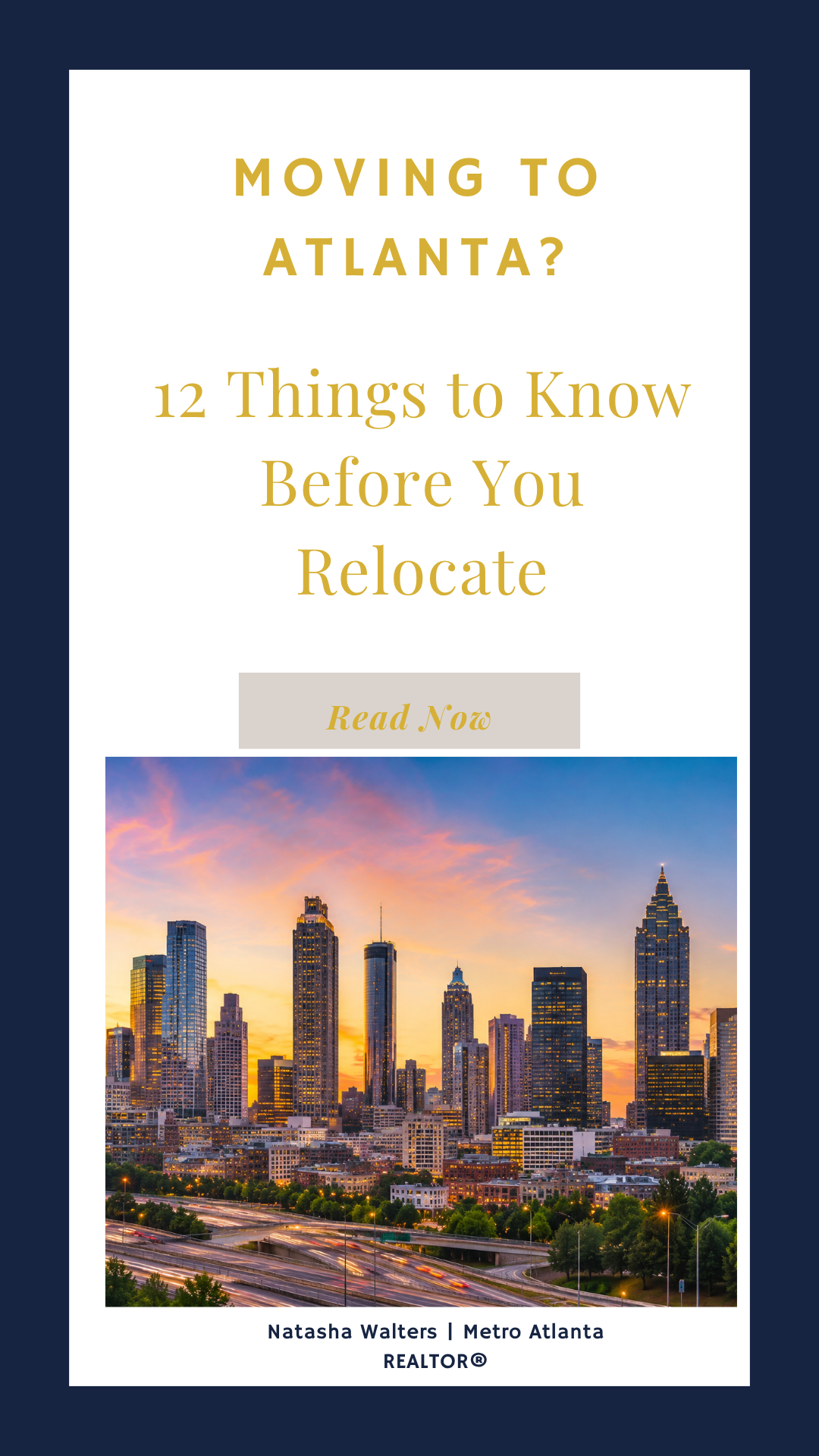 Moving to Atlanta in 2026? 12 Things You Need to Know Before You Relocate
Thinking about moving to Atlanta?
You're definitely not the only one.
Metro Atlanta continues to attract buyers relocating from across the country. Recent Redfin search data shows particularly strong interest from buyers searching from New York, Washington, Los Angeles, San Francisco and Chicago.
But one of the biggest mistakes I see people make when relocating to Atlanta is assuming “Atlanta” is one market.
It isn't.
Where you live can completely change your experience—from your commute and home price to the type of community and lifestyle you'll have.
I'm Natasha Walters, a Metro Atlanta REALTOR® who helps buyers, sellers, investors and relocating families navigate the Atlanta market. If you're considering making Georgia home, here are 12 things I'd want you to know before you start looking.
When someone tells me they want to “live in Atlanta,” my first question usually isn't what kind of house they want.
It's what kind of life they want.
Living in Midtown Atlanta is completely different from living in Buford, Suwanee, Johns Creek, Cumming or Braselton.
You have urban neighborhoods, established suburbs, master-planned communities, golf communities, lake communities, historic areas and rapidly developing corridors all within the greater Atlanta area.
That's why choosing the right location first can be more important than choosing the house.
If you're relocating from another state, don't look at a map and assume a community is “only 25 miles from work.”
Atlanta traffic can make mileage misleading.
Before purchasing, I recommend looking at where you'll work, how often you'll commute, which highways you'll use and what that drive looks like during the hours you'll actually be traveling.
Sometimes paying a little more for the right location can dramatically improve your day-to-day life.
There isn't one meaningful “Atlanta home price.”
Your budget can buy very different homes depending on whether you're looking in Atlanta proper, Gwinnett County, Forsyth County, North Fulton, Hall County or communities farther from the city.
As of summer 2026, Atlanta's housing market remains active but gives buyers more room to be strategic than during the frenzy of a few years ago. Realtor.com reported a July 2026 Atlanta median list price of about $425,000, while Redfin reported a median sale price of roughly $425,000 for the three months ending July.
Those metro-level numbers are useful context, but your target community and price point matter much more.
If you want more space while remaining connected to Metro Atlanta, several northern communities deserve consideration.
Some of the areas I frequently help buyers explore include:
Buford • Suwanee • Sugar Hill • Lawrenceville • Dacula • Braselton • Flowery Branch • Cumming • Duluth • Johns Creek
Each has a different housing mix, location and lifestyle.
Instead of searching for the “best suburb,” I recommend finding the suburb that best fits your priorities.
→ Explore Metro Atlanta Communities
[Link this to your Areas We Cover page]
One advantage of searching outside Atlanta's urban core is access to new-construction communities.
Depending on the builder and community, buyers may encounter incentives involving closing costs, financing or upgrades.
But remember:
The builder's sales representative represents the builder.
Having your own REALTOR® means having someone helping you evaluate the contract, community, incentives, inspections and transaction from the buyer's perspective.
You don't necessarily have to choose between “city” and “suburbs.”
Metro Atlanta offers everything from walkable intown neighborhoods and townhome communities to larger suburban homes, acreage and communities near Lake Lanier.
Before we start looking at houses, I like to understand what matters to you outside the house:
Do you want restaurants nearby? More land? New construction? A shorter commute? A downtown area? Access to parks? A quieter neighborhood?
Those answers help narrow a huge metro area very quickly.
Your taxes can vary depending on the county, city and property.
That's another reason not to compare homes based solely on purchase price.
When I'm helping a relocating buyer compare two areas, we need to look at the overall cost of ownership, not simply which house has the lower list price.
Many Metro Atlanta subdivisions have homeowners associations.
Fees and restrictions can vary considerably.
Before purchasing, understand what the HOA covers and review restrictions that may affect things such as rentals, exterior changes, parking or other plans you have for the property.
Buyers have more opportunity to negotiate in some situations.
Redfin reports that Atlanta homes recently sold for an average of about 2% below list price, although desirable and correctly priced homes can still move much faster.
That means strategy matters.
The right approach isn't automatically “offer under asking.”
It's understanding that particular property, its competition, condition, days on market and seller motivation.
Those lists can be useful starting points, but they're not a substitute for figuring out what matters to you.
My role isn't to tell you where you should live.
It's to give you objective information, show you the options and help you evaluate communities based on the criteria that matter to you.
That's particularly important when you're relocating and don't know Metro Atlanta yet.
You don't necessarily need to fly to Atlanta every weekend to search for a home.
For relocating clients, much of the process can begin remotely—consultation, financing preparation, neighborhood research, listing searches and virtual property tours.
Then when you do come to Atlanta, your visit can be much more focused.
This is probably the biggest advice I can give someone relocating to Atlanta.
Don't fall in love with a house before you understand its location.
A beautiful kitchen isn't going to make a commute you hate disappear.
Start by identifying the parts of Metro Atlanta that fit your lifestyle, budget and needs. Then start looking for the right home within those areas.
Relocating doesn't have to feel overwhelming.
Whether you're still researching Atlanta or you're ready to start touring homes, I can help you understand the different communities, narrow your search and create a strategy for your move.
Natasha Walters, REALTOR®
HomeSmart Realty
Move With Confidence.

Natasha Walters is a Metro Atlanta REALTOR® who believes real estate is about more than buying and selling homes—it’s about making sure her clients are educated, protected, and confide....
Best Atlanta Suburbs to Consider in 2026: A Local Realtor’s GuideIf you're thinking about moving to Atlanta, one of the first decisions you'll have to make is where in Metro Atlanta you
Moving to Atlanta in 2026? 12 Things You Need to Know Before You RelocateThinking about moving to Atlanta?You're definitely not the only one.Metro Atlanta continues to attract buyers relocating from
Should you require assistance in navigating our website or searching for real estate, please contact our offices at 404-876-4901.
Title & Escrow Partner
Closing Partner
Lending Partner
Insurance Partner
Home Warranty Partner
 ©2026 Georgia Multiple Listing Service All information deemed reliable but not guaranteed. All properties are subject to prior sale, change or withdrawal. Neither listing broker(s) or information provider(s) shall be responsible for any typographical errors, misinformation, misprints and shall be held totally harmless. Listing(s) information is provided for consumer's personal, non-commercial use and may not be used for any purpose other than to identify prospective properties consumers may
be interested in purchasing. The data relating to real estate for sale on this website comes in part from the Internet Data Exchange program of the Multiple Listing Service. Real estate listings held by brokerage firms other than PalmerHouse Properties may be marked with the Internet Data Exchange logo and detailed information about those properties will include the name of the listing broker(s) when required by the MLS. Copyright ©2026 All rights reserved.
Last Updated: September 22, 2026 12:05 PM UTC
Show More...
©2026 Georgia Multiple Listing Service All information deemed reliable but not guaranteed. All properties are subject to prior sale, change or withdrawal. Neither listing broker(s) or information provider(s) shall be responsible for any typographical errors, misinformation, misprints and shall be held totally harmless. Listing(s) information is provided for consumer's personal, non-commercial use and may not be used for any purpose other than to identify prospective properties consumers may
be interested in purchasing. The data relating to real estate for sale on this website comes in part from the Internet Data Exchange program of the Multiple Listing Service. Real estate listings held by brokerage firms other than PalmerHouse Properties may be marked with the Internet Data Exchange logo and detailed information about those properties will include the name of the listing broker(s) when required by the MLS. Copyright ©2026 All rights reserved.
Last Updated: September 22, 2026 12:05 PM UTC
Show More...
 Listings identified with the FMLS IDX logo come from FMLS and are held by brokerage firms other than the owner of this website. The listing brokerage is identified in any listing details. Information is deemed reliable but is not guaranteed. If you believe any FMLS listing contains material that infringes your copyrighted work please click here to review our DMCA policy and learn how to submit a takedown request. © 2026 First Multiple Listing Service, Inc.
Data Last Updated on: September 22, 2026 12:12 PM UTC Please contact insiderealestate.com if you experience any technical issues.
Listings identified with the FMLS IDX logo come from FMLS and are held by brokerage firms other than the owner of this website. The listing brokerage is identified in any listing details. Information is deemed reliable but is not guaranteed. If you believe any FMLS listing contains material that infringes your copyrighted work please click here to review our DMCA policy and learn how to submit a takedown request. © 2026 First Multiple Listing Service, Inc.
Data Last Updated on: September 22, 2026 12:12 PM UTC Please contact insiderealestate.com if you experience any technical issues.
 Northeast Georgia Board of REALTORS® All information deemed reliable but not guaranteed. All properties are subject to prior sale, change or withdrawal. Neither listing broker(s) or information provider(s) shall be responsible for any typographical errors, misinformation, misprints and shall be held totally harmless. Listing(s) information is provided for consumer's personal, non-commercial use and may not be used for any purpose other than to identify prospective properties consumers may be
interested in purchasing. The data relating to real estate for sale on this website comes in part from the Internet Data Exchange program of the Multiple Listing Service. Real estate listings held by brokerage firms other than PalmerHouse Properties may be marked with the Internet Data Exchange logo and detailed information about those properties will include the name of the listing broker(s) when required by the MLS. Copyright ©2026 All rights reserved.
Last Updated: September 22, 2026 12:06 PM UTC
Show More...
Northeast Georgia Board of REALTORS® All information deemed reliable but not guaranteed. All properties are subject to prior sale, change or withdrawal. Neither listing broker(s) or information provider(s) shall be responsible for any typographical errors, misinformation, misprints and shall be held totally harmless. Listing(s) information is provided for consumer's personal, non-commercial use and may not be used for any purpose other than to identify prospective properties consumers may be
interested in purchasing. The data relating to real estate for sale on this website comes in part from the Internet Data Exchange program of the Multiple Listing Service. Real estate listings held by brokerage firms other than PalmerHouse Properties may be marked with the Internet Data Exchange logo and detailed information about those properties will include the name of the listing broker(s) when required by the MLS. Copyright ©2026 All rights reserved.
Last Updated: September 22, 2026 12:06 PM UTC
Show More...
 Athens Area Association of REALTORS® All information deemed reliable but not guaranteed. All properties are subject to prior sale, change or withdrawal. Neither listing broker(s) or information provider(s) shall be responsible for any typographical errors, misinformation, misprints and shall be held totally harmless. Listing(s) information is provided for consumer's personal, non-commercial use and may not be used for any purpose other than to identify prospective properties consumers may be
interested in purchasing. The data relating to real estate for sale on this website comes in part from the Internet Data Exchange program of the Multiple Listing Service. Real estate listings held by brokerage firms other than PalmerHouse Properties may be marked with the Internet Data Exchange logo and detailed information about those properties will include the name of the listing broker(s) when required by the MLS. Copyright ©2026 All rights reserved.
Last Updated: September 22, 2026 12:12 PM UTC
Show More...
Athens Area Association of REALTORS® All information deemed reliable but not guaranteed. All properties are subject to prior sale, change or withdrawal. Neither listing broker(s) or information provider(s) shall be responsible for any typographical errors, misinformation, misprints and shall be held totally harmless. Listing(s) information is provided for consumer's personal, non-commercial use and may not be used for any purpose other than to identify prospective properties consumers may be
interested in purchasing. The data relating to real estate for sale on this website comes in part from the Internet Data Exchange program of the Multiple Listing Service. Real estate listings held by brokerage firms other than PalmerHouse Properties may be marked with the Internet Data Exchange logo and detailed information about those properties will include the name of the listing broker(s) when required by the MLS. Copyright ©2026 All rights reserved.
Last Updated: September 22, 2026 12:12 PM UTC
Show More...
 The data relating to real estate for sale on this web site comes in part from the Internet Data Exchange (IDX) program of the Mid GA MLS. Real estate listings held by brokerage firms other than PalmerHouse Properties are marked with the listing brokers name and detailed information about such listings includes the name of the listing broker. Data provided is deemed reliable but is not guaranteed.
 The information being provided is for consumers' personal, non-commercial use and may not be used for any purpose other than to identify prospective properties consumers may be interested in purchasing. Listing data being provided is updated in real-time. Sources for listing data may include the local government offices such as Tax Assessor, Tax Commissioner and school authorities, as well as appraisers and other sources. This site may not include all listings available through the MLS.
INFORMATION
HEREIN IS DEEMED RELIABLE BUT NOT GUARANTEED and Buyers are instructed to verify all information for accuracy.
Show More...
The information being provided is for consumers' personal, non-commercial use and may not be used for any purpose other than to identify prospective properties consumers may be interested in purchasing. Listing data being provided is updated in real-time. Sources for listing data may include the local government offices such as Tax Assessor, Tax Commissioner and school authorities, as well as appraisers and other sources. This site may not include all listings available through the MLS.
INFORMATION
HEREIN IS DEEMED RELIABLE BUT NOT GUARANTEED and Buyers are instructed to verify all information for accuracy.
Show More...
 © 2026 Lake Country GA MLS. All rights reserved. The data relating to real estate for sale on this web site comes in part from the Internet Data Exchange Program of LCGAMLS. Information provided is deemed reliable but not guaranteed. Data last updated: September 22, 2026 11:56 AM UTC .
 The data relating to real estate on this web site comes in part from the Internet Data Exchange program of Hive MLS LLC, and is updated as of September 22, 2026 11:44 AM UTC All information is deemed reliable but not guaranteed and should be independently verified. All properties are subject to prior sale, change, or withdrawal. Neither listing broker(s) nor PalmerHouse Properties shall be responsible for any typographical errors, misinformation, or misprints, and shall be held totally harmless from
any damages arising from reliance upon these data. © 2026 Hive MLS LLC
Show More...
The data relating to real estate on this web site comes in part from the Internet Data Exchange program of Hive MLS LLC, and is updated as of September 22, 2026 11:44 AM UTC All information is deemed reliable but not guaranteed and should be independently verified. All properties are subject to prior sale, change, or withdrawal. Neither listing broker(s) nor PalmerHouse Properties shall be responsible for any typographical errors, misinformation, or misprints, and shall be held totally harmless from
any damages arising from reliance upon these data. © 2026 Hive MLS LLC
Show More...
